Loading...
Serving Montclair, CA and surrounding areas. (909) 488-7004
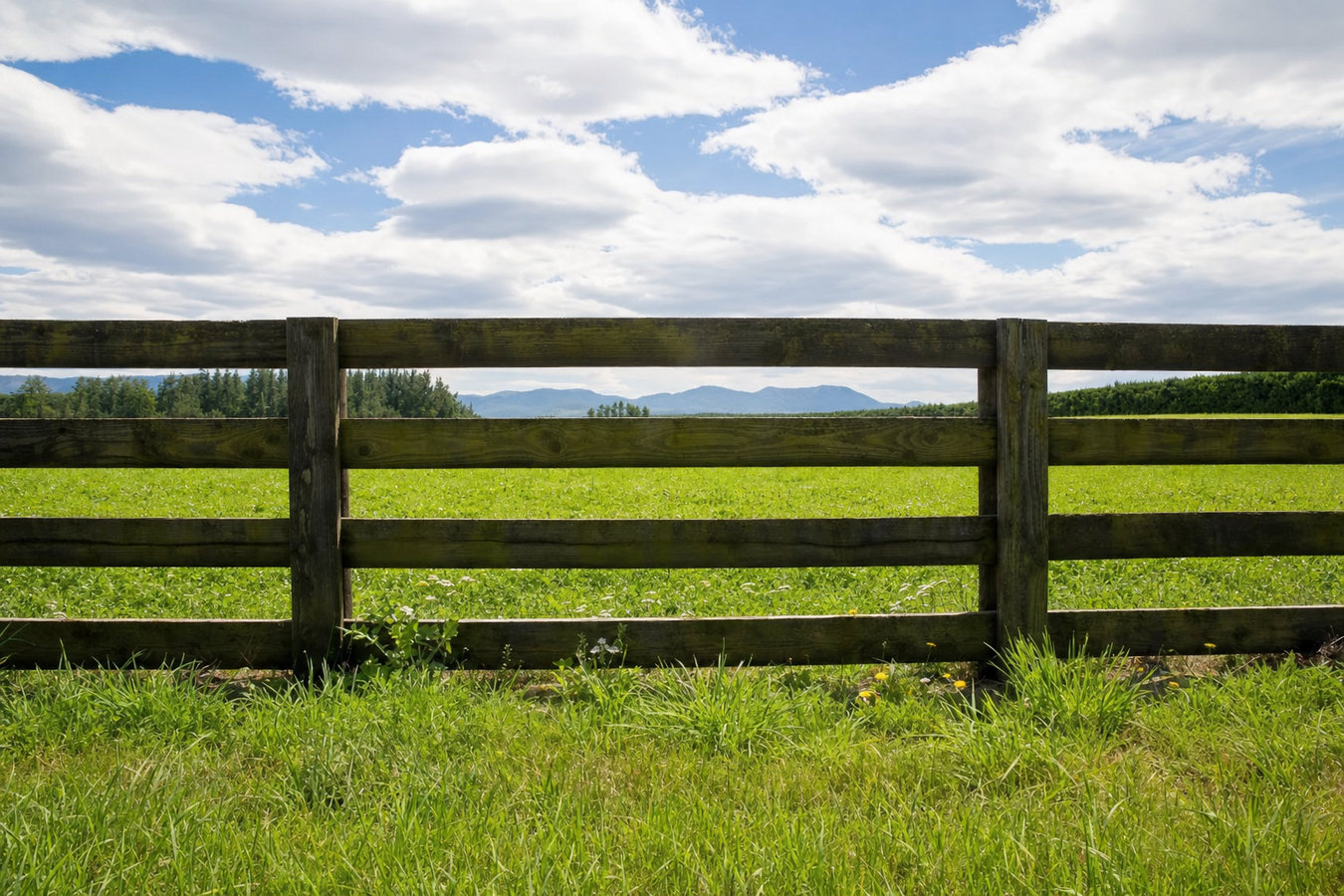
Fencing built to contain animals, define larger parcels, and hold up through the Inland Empire's heat, hard soil, and Santa Ana wind season - with a written estimate after we walk your property.
Farm and ranch fencing in Montclair covers any fencing designed to contain livestock, protect property on larger parcels, or keep animals where they belong - and most installations take one to four days depending on footage and terrain, once the permit process is complete.
Montclair and the surrounding San Bernardino County area include pockets of larger residential lots and semi-rural properties where horses, goats, and chickens are part of everyday life. Standard residential fencing is not built for animal pressure, long fence runs, or the kind of gate traffic that comes with managing livestock. If you have recently added animals to your property or purchased a parcel without existing fencing, the right materials and post depth make all the difference between a fence that holds for 20 years and one that starts failing after the first hot summer. If you also need containment for dogs specifically, our pet and dog fencing service covers dedicated pet enclosures alongside larger agricultural setups.
We visit every property before quoting - because terrain, soil conditions, and gate placement all affect the final cost in ways that a phone quote will not catch.
Visible lean in your fence posts, or wire and rail that has separated from the posts, means the structure is no longer doing its job. This kind of failure often starts at corners or gates and spreads outward - and once it begins, it tends to get worse quickly. A leaning fence is also a safety concern if you have livestock on the property.
If your horses, goats, or chickens are finding gaps and escaping, or if wildlife is getting into your garden or feed area, your fence has failed at its most basic job. Sometimes the problem is a single weak section. Other times it is a sign that the whole fence has aged past the point of reliable repair.
In Montclair's dry heat and intense sun, wood fencing ages faster than it would in a cooler climate. Deep cracks, gray or silvery discoloration all the way through, or posts that feel soft at ground level all mean the material has broken down and will not hold up to animal pressure or wind events.
A standard residential fence is not built to contain horses, goats, or pigs. If you have recently added livestock and your existing fence was designed for a different purpose, it can fail suddenly and create a dangerous situation for your animals and your neighbors. The wrong fence is often worse than no fence.
We install the full range of agricultural and rural fencing styles used across the Inland Empire. Woven wire - sometimes called field fence - is the most versatile option for horses, goats, and sheep because it holds its shape under animal pressure and has no sharp edges. High-tensile smooth wire covers large acreage efficiently and is popular on properties where the fence line runs several hundred feet or more. For cattle and high-traffic areas where animals push hard against the barrier, pipe and tube steel is the most durable choice. If you are fencing a portion of your property that will also need privacy screening, our wood fence installation service can handle those sections while we build the agricultural perimeter.
Gates are as important as the fence itself - a gate that is hard to open or fails to latch securely defeats the purpose of the fence. We discuss gate placement, width, and hardware before work begins, because adding or moving a gate after the fence is built costs significantly more. For properties that need both agricultural fencing and a standalone dog run, our pet and dog fencing service can be combined with a farm fence project in a single installation.
Best for horses, goats, and sheep - holds its shape under animal pressure with no sharp edges.
Covers large acreage efficiently and is a good fit for properties with long, straight fence runs.
The most durable choice for cattle corrals and high-traffic areas where animals push hard against the fence.
Suits homeowners who want the classic look of a rail fence, best paired with steel posts for longer life in this climate.
The Inland Empire's climate is genuinely hard on fencing. Montclair regularly sees summer temperatures above 95 degrees, and the combination of intense UV exposure and low humidity accelerates weathering on wood and certain coatings. Wood rail fencing that might last 20 years in a cooler climate can show significant wear in 10 to 12 years here. This is why many property owners in the area lean toward galvanized wire, pipe steel, or hybrid systems that use steel posts with wood rails - you get the look without sacrificing durability. We serve homeowners and property owners across Chino and Fontana, where we regularly install agricultural fencing on larger parcels that straddle the city-county line.
Soil conditions add another layer of challenge. Much of the San Bernardino Valley, including Montclair, sits on compacted alluvial soil that can include caliche - a hard, calcium-rich layer that forms just below the surface in arid regions. Caliche can make it difficult to dig post holes to the proper depth without specialized equipment, which adds time and sometimes cost to an installation. Santa Ana winds are also a consideration - the Inland Empire sees gusts that can exceed 50 mph each fall, and while open agricultural fencing handles wind much better than solid panels, corner posts and end posts still need to be braced correctly for this region. A crew with genuine local experience will know all of this before the first post goes in. For more on soil and climate guidance specific to California agricultural fencing, the University of California Agriculture and Natural Resources publishes research-based recommendations developed for conditions across the state.
Call or reach out online and we will respond within one business day. We will ask about your acreage, what animals or uses the fence needs to support, and whether you have any existing fencing to remove. This helps us prepare for the site visit rather than arriving cold.
We walk the fence line with you, check the soil, note any slopes or obstacles, and discuss gate placement and material options. You get a written estimate that separates materials, labor, and permit costs - so there are no surprises on the invoice.
Depending on your property's zoning, a permit may be required through the City of Montclair or San Bernardino County. We handle the application as part of the job - this is standard practice for licensed contractors in California and protects your property records.
The crew sets posts first - corners and ends are braced before line posts go in. Once posts are set, wire, rail, or pipe is installed and tensioned. We do a final walkthrough with you before packing up, and we do not consider the job done until you are satisfied with every gate and every section of fence.
No phone quotes - we walk your property first so the number we give you is the number you pay.
(909) 488-7004We never quote farm fence projects over the phone. Terrain, soil conditions, and gate placement all affect the final cost in ways that are impossible to assess without walking the property. The written estimate you receive after our site visit is the number you pay - it does not change unless you ask us to change the scope.
The compacted alluvial soil under much of the Inland Empire - including the caliche layer common in this area - requires power augers or hydraulic post drivers to reach the depth needed for solid post installation. We come equipped for local conditions so the job does not stall when we hit hard ground below the surface.
Whether your parcel falls within Montclair city limits or in unincorporated San Bernardino County, we know which jurisdiction applies and handle the permit process on your behalf. A fence installed without the right permit can create real headaches if you ever sell the property. You can verify contractor licensing through the California Contractors State License Board.
Farm gates need to be heavy-duty, properly hung, and easy to operate whether you are moving a tractor through or latching up after feeding time. We discuss gate width, placement, and hardware before installation - because moving or adding a gate after the fence is built costs far more than getting it right the first time.
We build farm and ranch fencing that holds up to animal pressure, local soil movement, and seasonal wind events - because a fence that fails in year two costs more than doing it right the first time.
Dedicated dog enclosures and pet-safe fencing that can be combined with a larger agricultural fence project.
Learn MoreWood fencing for privacy sections and decorative areas that pair with the agricultural perimeter of a larger property.
Learn MoreWe walk your land before we quote - contact us now and we will schedule a site visit within one business day.