Loading...
Serving Montclair, CA and surrounding areas. (909) 488-7004
MC Montclair Fence Builder is the fence contractor La Verne homeowners call for vinyl fence, wood fence, aluminum, and ornamental iron fence installation. We have been serving communities across the Inland Empire and San Gabriel Valley since 2017 and understand the clay soil conditions, foothill wind exposure, and older housing stock that make fence work in La Verne different from a newer suburb.
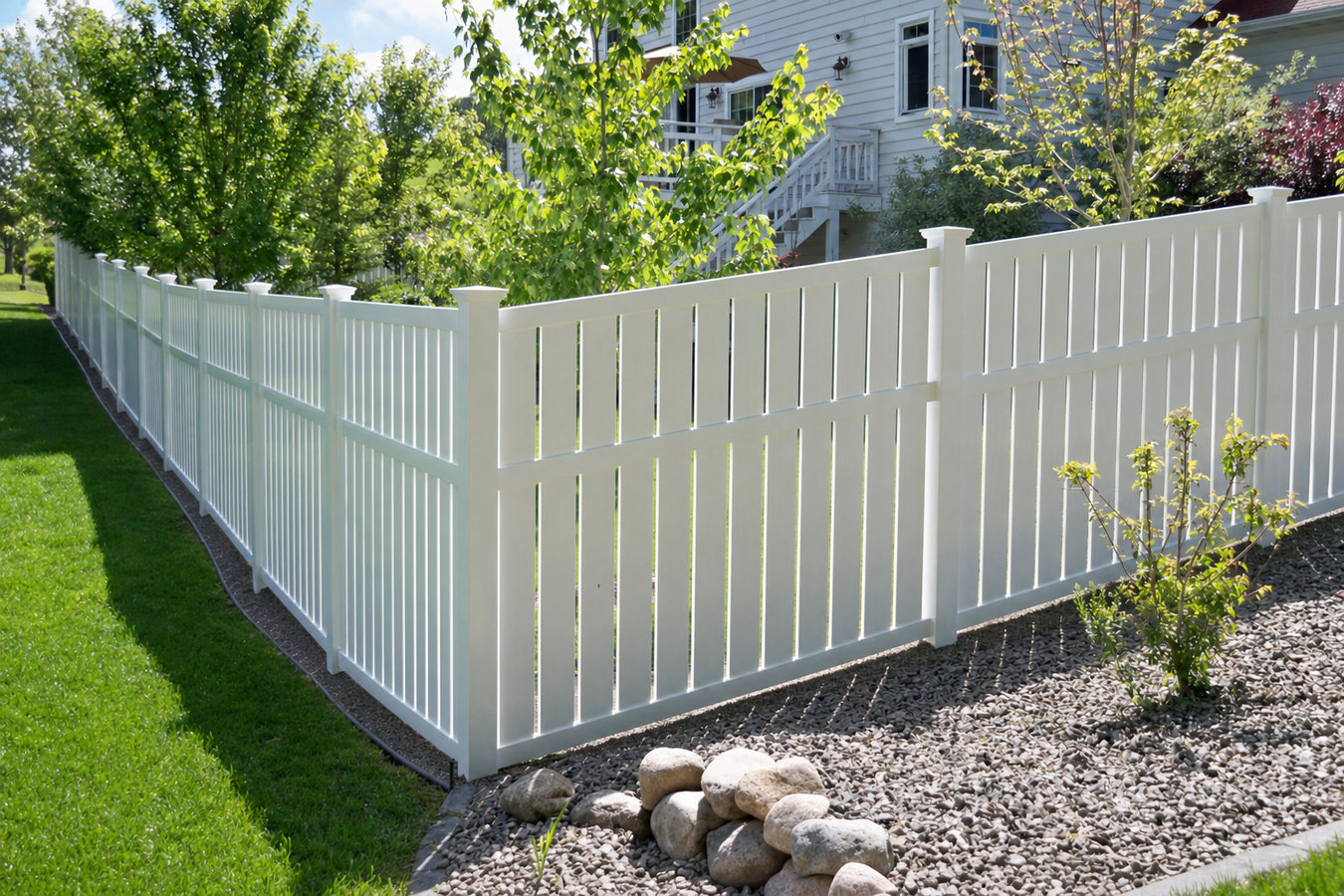
Vinyl fence is a strong choice for La Verne homeowners on lots where clay soil movement is a concern, because vinyl panels flex slightly rather than cracking under the same seasonal ground pressure that splits wood boards. It also holds up well through the city's long dry summers without needing the resealing that wood requires every few years. Browse our vinyl fence installation options to find the right profile for your La Verne home.
Many homes near historic downtown La Verne and the University of La Verne campus were built before 1960, and cedar or redwood fencing suits the aesthetic of these older properties far better than vinyl or metal. We size post footings to account for the clay soils common in this part of the San Gabriel Valley, so the fence stays plumb through the first several wet-and-dry seasons.
The clay soils in La Verne are hard on fence posts over time - annual ground movement slowly pushes posts out of alignment, and older homes may have original fence installations that have never been touched. Many of these fences can be restored by resetting posts, replacing damaged boards, and rehanging gates rather than replacing the whole run, which is a significant cost savings.
For La Verne homeowners in the northern parts of the city closer to the foothills - where fire hazard zone designations make non-combustible materials a sensible choice - aluminum fencing provides a long-lasting perimeter boundary with no maintenance requirements and no fuel contribution. It also meets California pool barrier code, making it a practical choice for homes with pools or water features.
La Verne is a mostly single-family city with close-set lots in the older neighborhoods, and a solid privacy fence makes a meaningful difference in how usable the backyard feels. Ranch-style homes from the 1950s and 1960s - the most common housing type in the city - typically have backyards sized for a full privacy fence run without needing special setback adjustments.
Ornamental iron works well in La Verne for front yard boundaries and property line definitions where an open, architectural look is preferred over a solid privacy panel. It pairs naturally with the stucco and masonry finishes common on homes throughout the city and holds up well against the foothill winds that put stress on lighter fence panel systems.
La Verne has a large concentration of homes built between the 1950s and 1970s, with additional older properties near downtown and the University of La Verne campus that date back to the early 1900s. These homes sit on clay-heavy soils that expand noticeably when the winter rains come and shrink back in the summer heat. That annual cycle is not dramatic enough to see from year to year, but over a decade it pushes fence posts out of alignment, cracks boards, and works gate hardware loose. A contractor who does not account for clay soil movement when setting post footings will install a fence that starts leaning within a few seasons.
La Verne also sits at the base of the San Gabriel Mountains at an elevation of roughly 1,000 feet, which means the city catches more wind than the flatland communities to the south - particularly during Santa Ana wind events in the fall and after winter storms push air through the mountain passes. Homes in the northern and eastern parts of the city, in the newer subdivisions built in the 1990s and 2000s near the foothills, are more exposed. Post depth and concrete footing volume matter considerably on these properties, and they are the first thing we assess before writing an estimate.
Our crew works throughout La Verne regularly, and we understand the local conditions that affect fence contractor work here. La Verne is a city with a wide range of housing ages on the same block - a 1930s bungalow sitting next to a 1970s ranch home next to a 1990s two-story - and that mix means we cannot approach every job with the same assumptions. We pull permits through the City of La Verne Community Development Services department and know what information they need to process a fence permit without back-and-forth delays.
The University of La Verne campus sits at the heart of the city along D Street, and the residential neighborhoods surrounding it contain some of the oldest and most character-rich homes in town. East of the university, Brackett Field Airport marks the city edge near White Avenue, and the neighborhoods between the two are a mix of postwar ranch homes on modest lots. North of Foothill Boulevard the properties get larger and the terrain gets hillier. Each part of La Verne presents different digging conditions and different aesthetic expectations, and we have worked on all of them. We also serve San Dimas to the east and work regularly in Claremont to the west.
Contact us by phone or through the estimate form and we will respond within one business day. We ask a few quick questions about your property - lot size, existing fence condition, and what you are hoping to accomplish - so the site visit is productive.
We visit your La Verne property, walk the fence line, and assess soil conditions, root interference, and any existing structures that affect the plan. We provide a written, itemized estimate before any work begins - no surprise line items after the fact.
For jobs that require a permit, we handle the application with the City of La Verne Community Development Services. Once the permit is approved and materials arrive - typically within one to two weeks - we schedule your installation date and confirm timing.
Most La Verne residential fence jobs are completed in one to two days. We clean the work area when we finish and walk the fence with you before we leave to confirm gates swing correctly, post spacing looks right, and everything meets your expectations.
We serve La Verne and the surrounding San Gabriel Valley communities. No pressure, no obligation - just an honest look at your property and a written price.
(909) 488-7004La Verne is a city of about 32,000 people in the eastern San Gabriel Valley, situated at the base of the San Gabriel Mountains at an elevation of roughly 1,000 feet. The University of La Verne, founded in 1891, sits at the center of the city along D Street and is one of the largest employers and most recognized landmarks in the community. The neighborhoods surrounding the university are among the oldest in the city, with craftsman bungalows, Spanish-style stucco homes, and traditional ranch houses on tree-lined streets that have not changed much in character since they were built. These blocks have a quiet, established feel that reflects La Verne's high homeownership rate - this is a city where people stay put and take care of their properties for the long term.
Moving north toward the foothills, the housing stock transitions to larger homes built in the 1990s and 2000s, with bigger lots and more exposure to wind off the mountains. Brackett Field Airport sits on the eastern edge of the city near the La Verne-San Dimas border, and the residential neighborhoods between the airport and downtown follow a grid of postwar ranch homes on modest lots. The city borders Claremont to the west and San Dimas to the east, two communities with similar housing stock and fence needs that our team serves on a regular basis.
Durable chain link fencing for security and boundary definition.
Learn MoreRust-resistant aluminum fences that combine elegance with strength.
Learn MoreSecure commercial fencing solutions for businesses and properties.
Learn MoreElegant ornamental iron fences that add timeless curb appeal.
Learn MoreHigh-security fencing solutions that deter intrusion effectively.
Learn MoreCall us today or fill out the contact form and we will get back to you within one business day. La Verne homeowners deserve a fence contractor who knows the neighborhood.